 Summerville Paver Sealing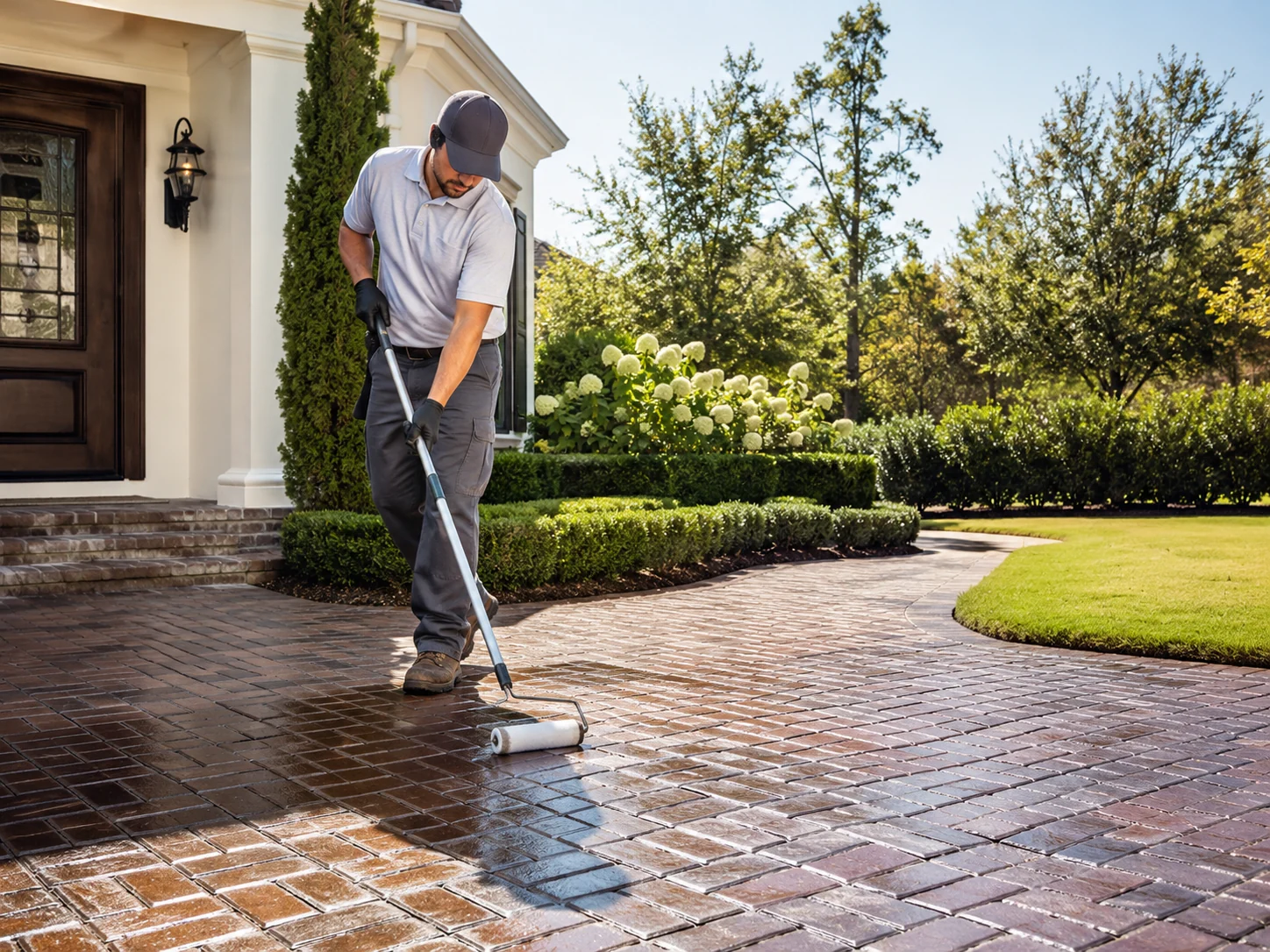
Paver Sealing
Protective paver sealing for driveways, patios, walkways, pool decks, and outdoor living areas.
Learn more →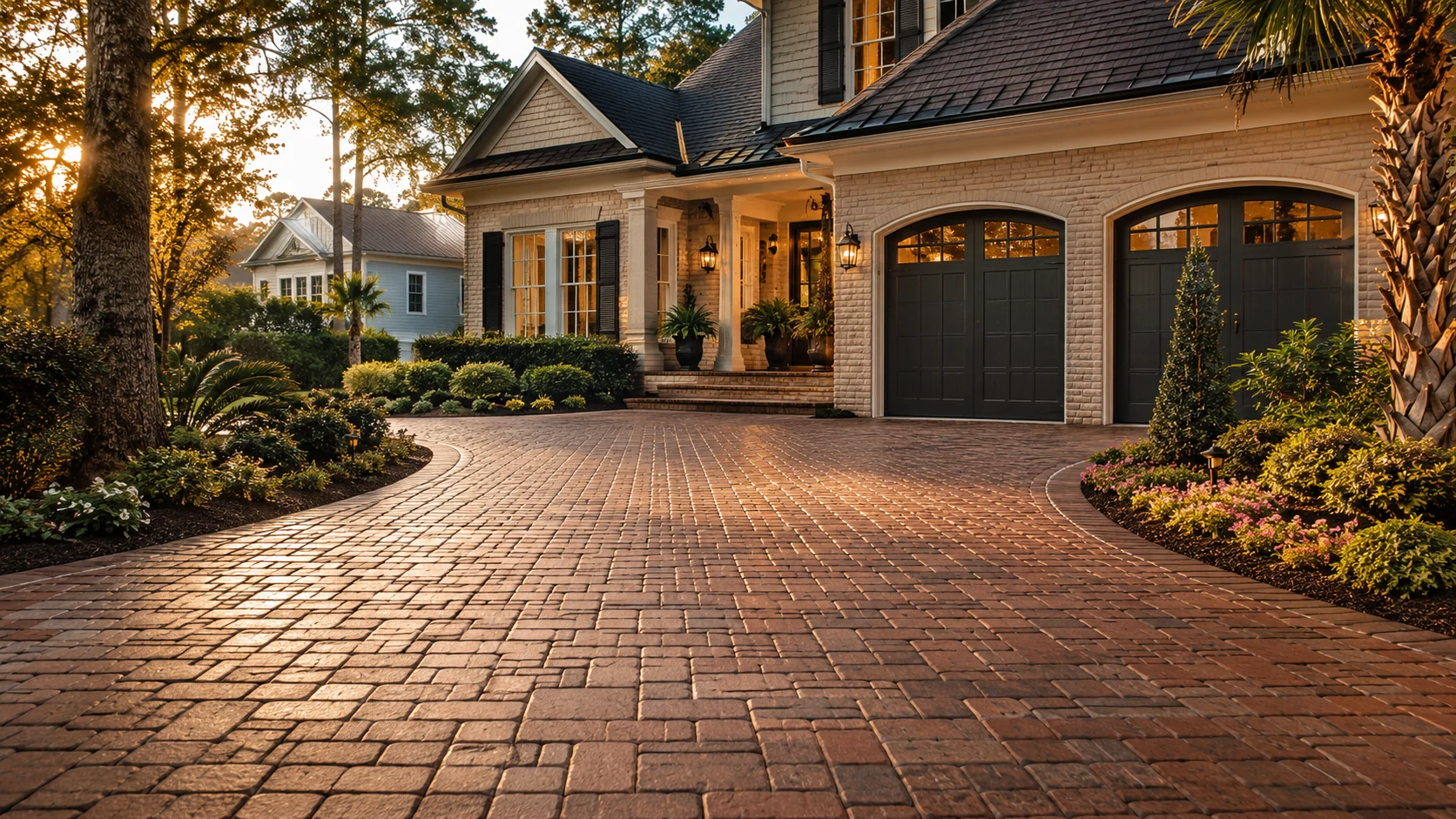
Get help comparing paver cleaning, sealing, restoration, and joint sand options for historic-area patios, modern hardscapes, walkways, and outdoor spaces where moisture control matters.
Pavers around Charleston can look worn for several reasons: sun exposure, shaded mildew, irrigation overspray, drainage patterns, loose joint sand, vehicle traffic, and old sealer that has started to haze or fade. The right solution starts with identifying the real surface condition.
For many properties in Charleston and nearby areas, a careful cleaning and fresh seal is enough. In other cases the better first step is joint sand replacement, stain treatment, efflorescence review, or a full restoration plan.
A wide range from historic-adjacent patios and courtyards to modern outdoor rooms and walkways where moisture and appearance both matter.
Courtyard and patio restoration, careful cleaning around older hardscape details, and finish choices that suit moisture-prone outdoor rooms.
Protective paver sealing for driveways, patios, walkways, pool decks, and outdoor living areas.
Learn more →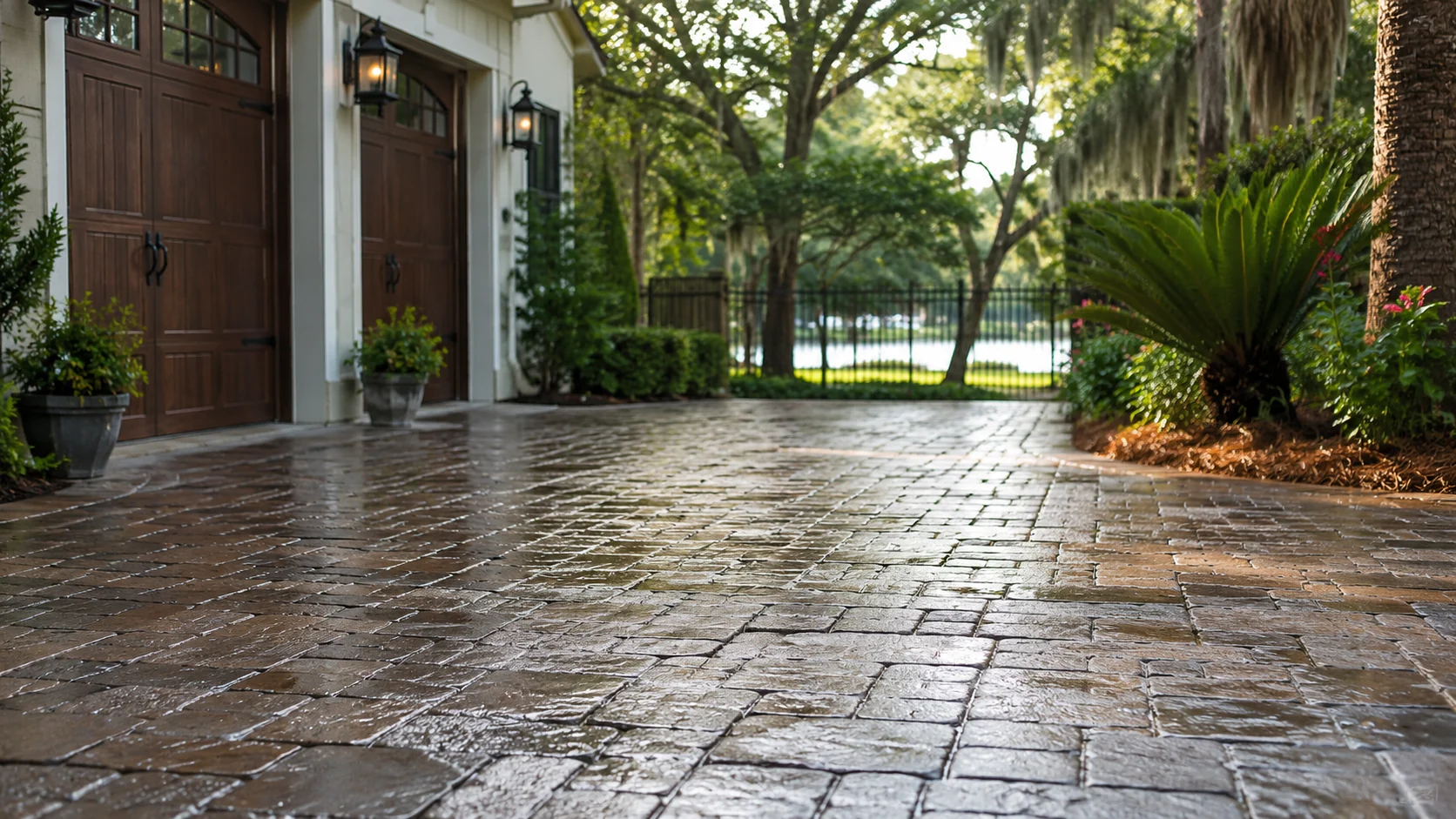
Surface cleaning for mildew, algae, dirt, weeds, and buildup before sealing or restoration.
Learn more →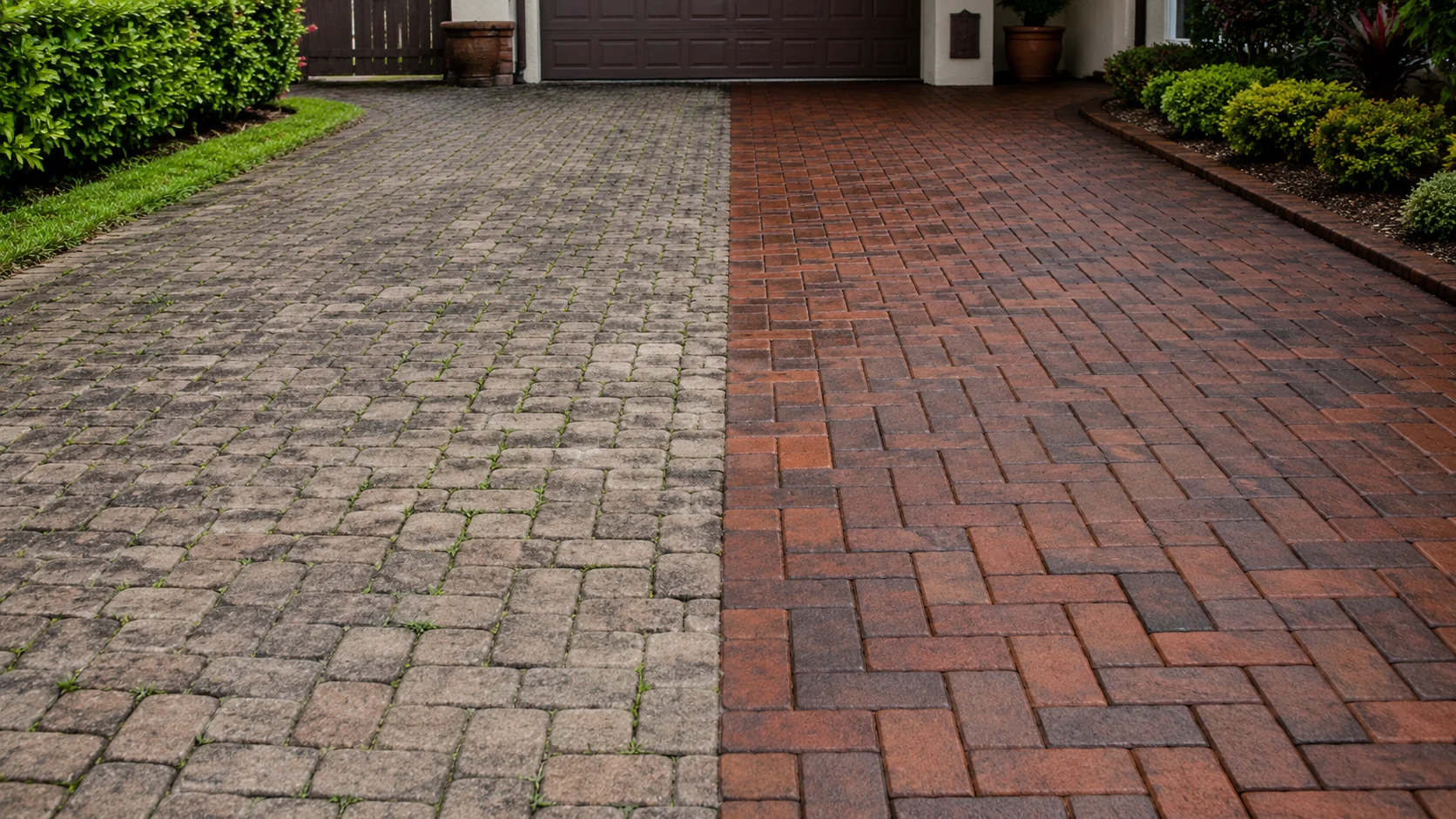
Restoration planning for faded, neglected, stained, or uneven-looking paver surfaces.
Learn more →Driveway cleaning, sanding, and sealing for curb appeal and everyday vehicle use.
Learn more →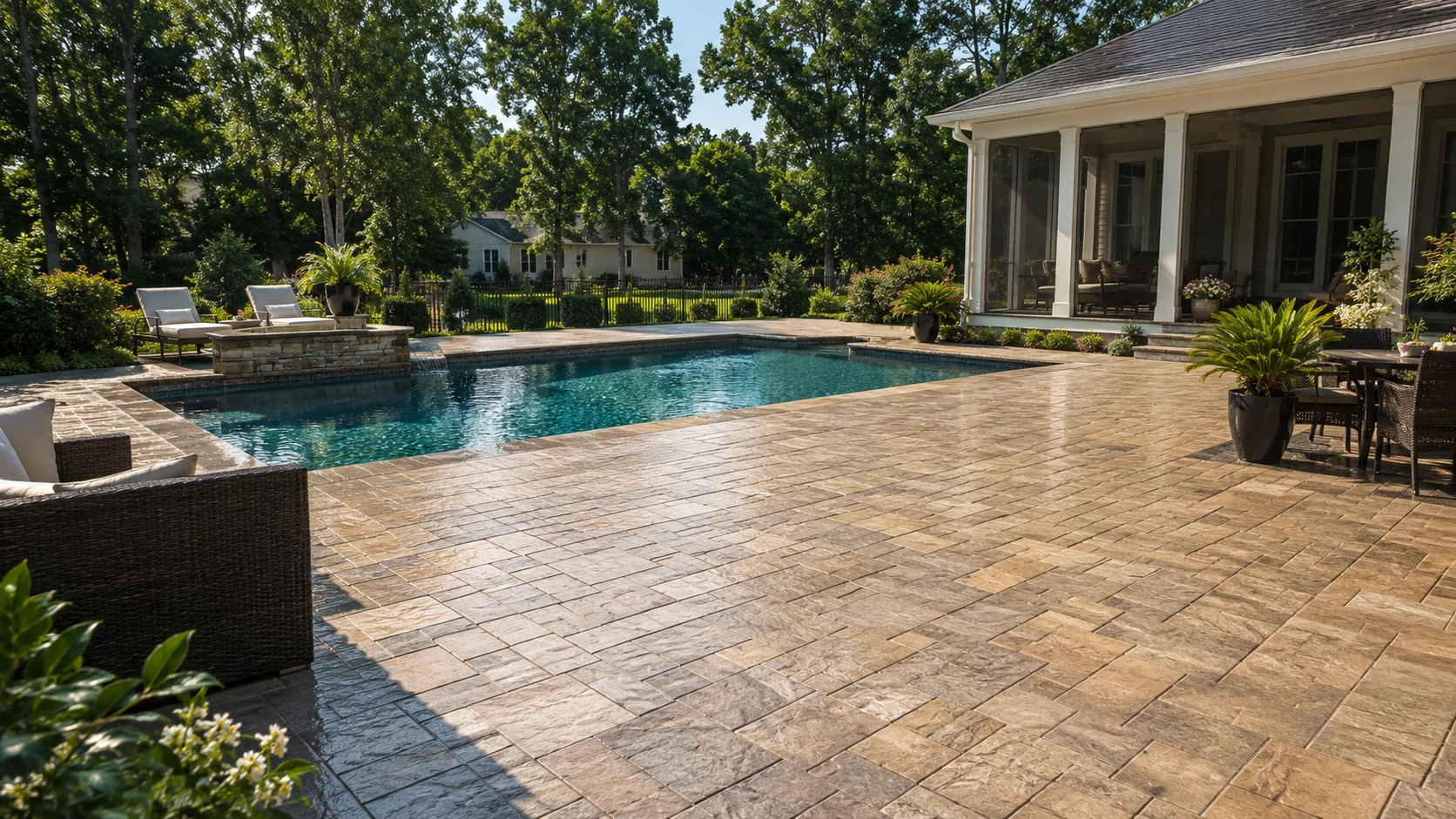
Poolside paver maintenance with attention to drainage, foot traffic, moisture, and finish choice.
Learn more →Re-sanding support for loose joints, weed-prone gaps, and paver systems that need stabilization.
Learn more →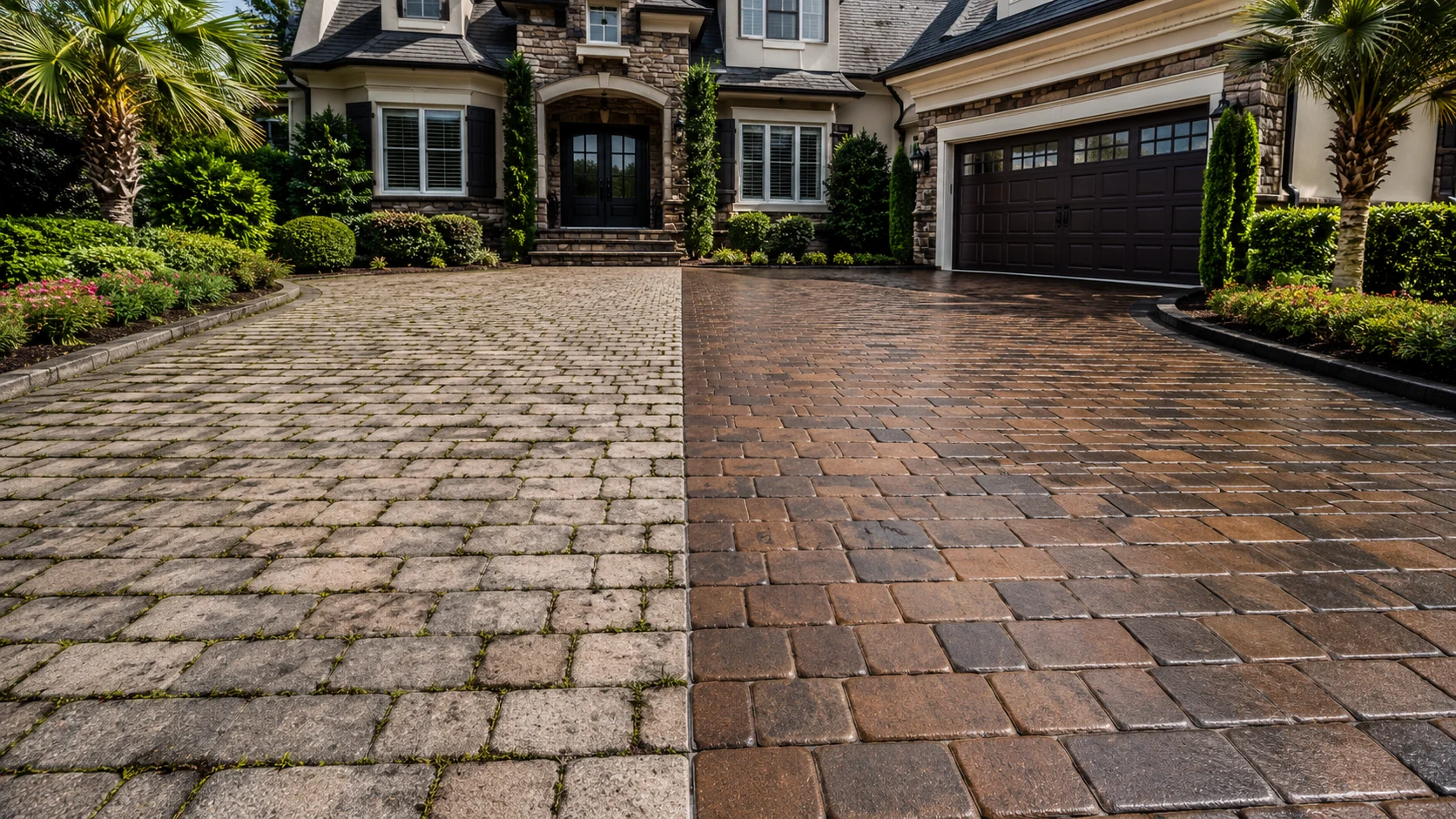
Assessment and cleaning guidance for white mineral haze, cloudy residue, and sealer-related appearance issues.
Learn more →The Lowcountry climate is tough on hardscapes. Summerville and surrounding areas get hot summers, frequent afternoon thunderstorms, high humidity, and a lot of organic debris from pine trees. Irrigation systems run heavily in many subdivisions.
Shade, tourist/residential foot traffic, humidity, and older hardscape quirks can create mildew, joint loss, and uneven prior coatings.
Homeowners may reference West Ashley, James Island access patterns, downtown-adjacent residential pockets, and peninsula-edge neighborhoods depending on the property type.
Pool decks face extra stress from chlorine and constant moisture. Driveways see heavy vehicle use. Patios often have furniture and grill stains. A useful estimate for Charleston should account for those local patterns instead of treating every surface like a generic square-foot coating job.
Tell us whether the project is a driveway, patio, pool deck, walkway, or outdoor living area.
Note weeds, loose sand, fading, stains, white haze, green growth, drainage, or old sealer issues.
Share the neighborhood or nearby cross streets in Charleston, plus whether access or HOA timing matters.
The more specific the request, the easier it is to decide whether the first step is cleaning, joint sand replacement, restoration planning, or sealing. That is true across Dorchester, Berkeley, and Charleston County service areas.
Many homeowners search one community name and still need context from nearby pages. Use these when the property sits between markets or when you are comparing finish expectations across the metro.
Summerville, Nexton, Cane Bay, Ladson, Goose Creek, North Charleston, plus core service pages for paver sealing, pool deck sealing, and joint sand replacement.
Yes. This page focuses on Charleston, SC paver cleaning, sealing, restoration, and joint sand replacement estimate requests for homes and small commercial properties.
Common issues include faded color from sun, mildew in shaded areas, joint sand washout after storms, weeds, stains, white haze, and old sealer that has clouded or peeled. Shade, tourist/residential foot traffic, humidity, and older hardscape quirks can create mildew, joint loss, and uneven prior coatings.
Include the neighborhood or nearby cross streets if helpful, surface type, a few condition notes, and daylight photos of joints, faded fields, cloudy patches, and edges near beds or drains.
Many paver surfaces are reviewed every 2 to 4 years, but timing depends on sun exposure, shade, drainage, prior sealer, traffic, and how quickly the joints or color begin to break down.
Yes. Cleaning is one of the most important parts of the project because sealer can trap dirt, mildew, haze, and residue if the surface is not prepared correctly.
No sealer can honestly guarantee zero weeds. Proper cleaning, joint sand replacement, and sealing can reduce weed-friendly gaps and make routine maintenance easier.
Send a few photos of the pavers, tell us the city, and describe the surface condition. We will help you understand the right next step before any estimate is scheduled.